

Save Big with Monthly Bookings!Save big with a monthly booking and ride worry-free all month long!
Explore Now
Abigail is an avid traveller and a sustainability enthusiast. For her, traveling isn’t just about checking off destinations — it’s about embracing simplicity, soaking up stories, and bringing those insights back to her work. She firmly believes that the best ideas don’t emerge in stuffy boardrooms; they come to you when you’re out exploring.
Automakers across the globe are investing heavily in electric vehicles despite the fact that the demand for these vehicles at this point in time is not that high. This signals that there are high chances of a significant rise in the demand for EVs in the global market over the next couple of years as there has been a noted trend in most delivery companies showing interest in shifting to electric vehicles for their daily last-mile deliveries. The Indian market has seen exponential growth in the e-commerce and logistics sectors with an ever-growing demand that results from greater innovation and quicker services.
Switching to an eco-friendly commute is easier than ever with an electric bike for rent. It offers a smooth, cost-effective, and sustainable way to travel across the city while reducing your carbon footprint and saving on fuel expenses.
Recent data shows that India has registered over 56 lakh electric vehicles by early 2025, reflecting strong adoption trends in urban and semi-urban mobility. This growth is supported by central schemes, investments, and public/private partnerships that also include commercial fleets and last-mile delivery EVs.
Sales of electric vehicles in India have been rising, with reported over 2 million EVs sold in 2025, indicating a growing market despite challenges in infrastructure and cost.
Why This Matters for Automotive Investment
This rise isn’t just a fad — it reflects long-term commitments from:
As the industries trying to solve delivery and logistics expand, the demand for more workforce driving around the city delivering products will keep increasing at a higher rate. Industry giants like Amazon, Flipkart, IKEA, Swiggy, and BigBasket have begun using electric bikes and vans for deliveries in several Indian cities.
Examples include plans by Amazon India to include 10,000 EVs in its delivery fleet by 2025 and similar publicized EV targets for e-commerce logistics.
Reports state that on average BigBasket handles 60,000-70,000 orders a day across India and food delivery firm Swiggy delivers more than 300,000 orders a day. As fleet sizes expand, electric vehicles are being used to manage rising logistics costs while reducing carbon footprint.
EVs can help lower variable costs like fuel and maintenance, which directly impacts delivery profitability.
National Incentive Schemes
PM E-DRIVE Scheme
This flagship scheme has been extended until March 31, 2028 with a budget of around ₹10,900 crore in 2025, aimed at electrification of commercial vehicles, charging infrastructure expansion, and public transport electrification.
Purchase and Operating Incentives
India offers purchase incentives, interest subvention on EV loans, registration and road-tax exemptions, and charging infrastructure support for two-, three- and four-wheelers under national programs like e-AMRIT and others.
State Policies
In addition to national schemes, various states have tailored incentives to accelerate local adoption — for example exemptions on tolls for EVs on major expressways and tax waivers.
Why This Helps EV Growth
Incentives reduce upfront costs and help close the price gap with traditional internal combustion engine vehicles. They also encourage private investment in supporting industries.
1. Lower Operating Costs
Electric vehicles have fewer moving parts and lower maintenance costs than ICE vehicles. For delivery fleets covering hundreds of kilometres a day, EVs can significantly reduce running costs.
2. Environmental Impact
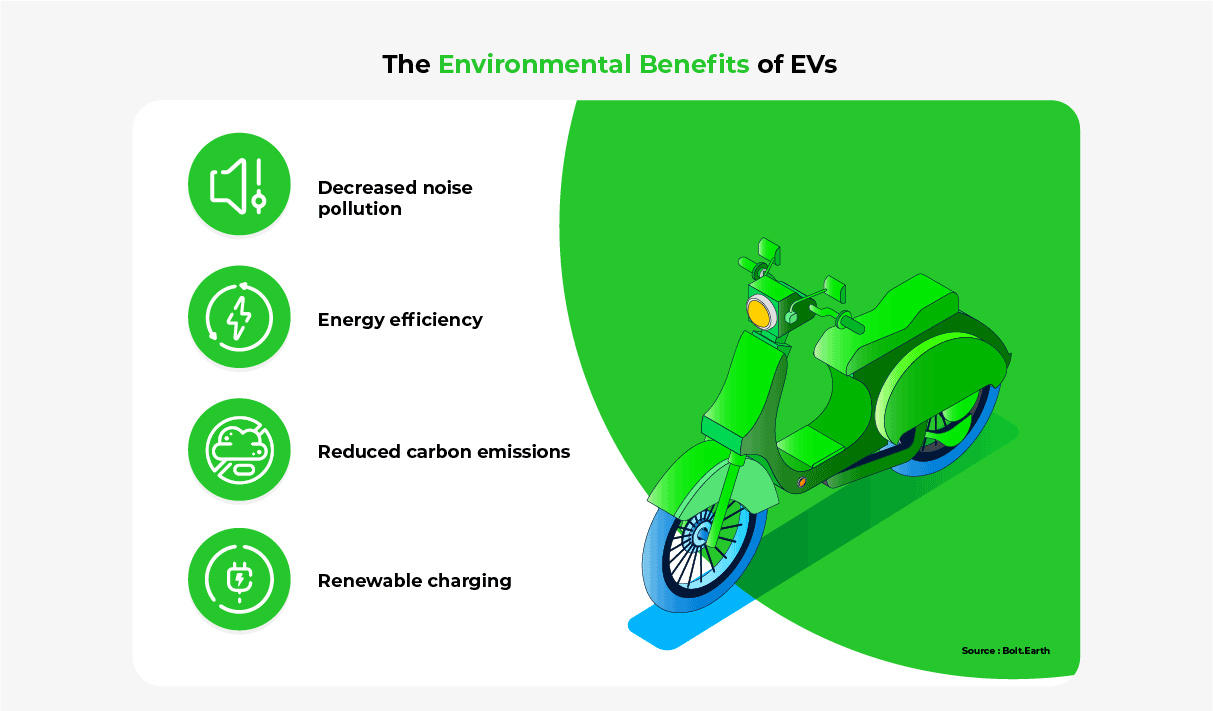
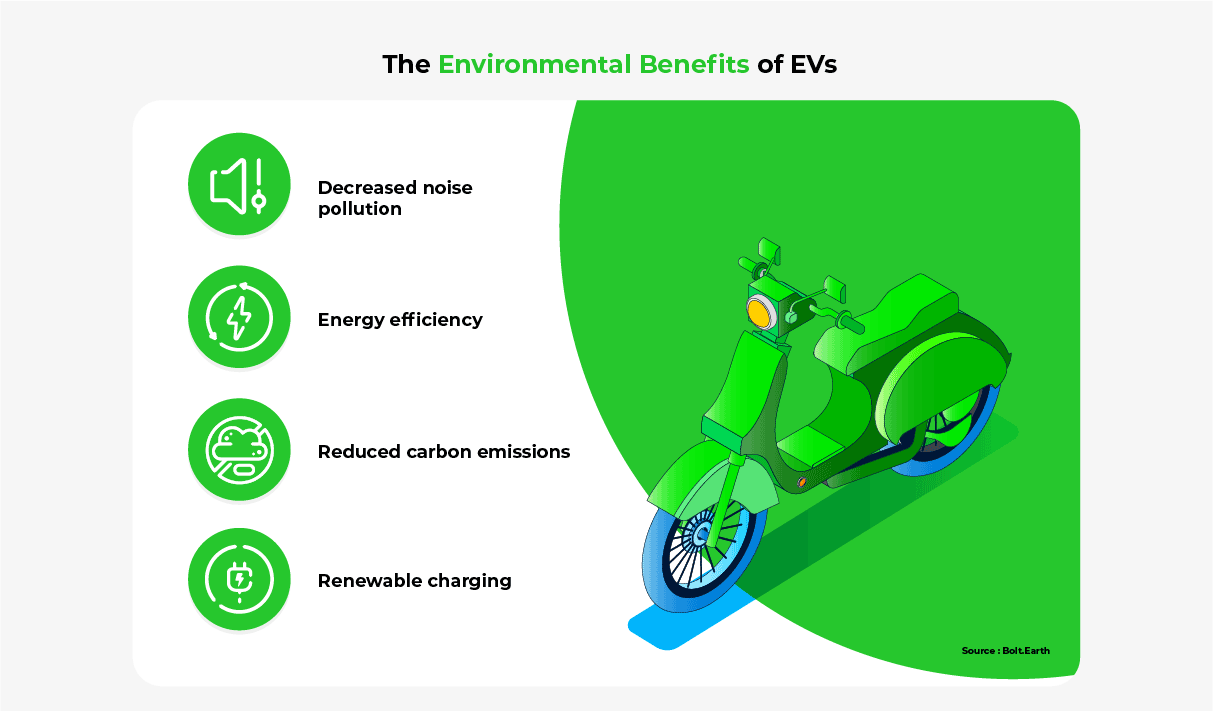
EVs produce zero tailpipe emissions, which contributes to improved air quality — a key goal in urban pollution reduction plans.
3. Brand Positioning
Companies using EVs are increasingly seen as eco-friendly and socially responsible, strengthening their brand image.
4. Government Support
Subsidies, tax exemptions, and charging infrastructure support help make EV adoption financially viable.
5. Technology Leadership
Investing in EVs ensures companies and automakers stay at the forefront of future mobility trends.
Flipkart
Flipkart announced plans to roll out electric delivery vehicles — particularly e-vans — with intentions to electrify a significant portion of its van fleet. Earlier plans included deploying about 160 e-vans by late 2019. While specifics have evolved, the trend reflects long-term fleet electrification goals.
Collaborations with startups and EV manufacturers help customize electric delivery solutions for logistics operations.
Amazon
Amazon India’s public targets for 2025 include significant EV fleet integration for last-mile delivery, showing how international e-commerce players are transitioning operations.
Logistics Startups and EV Makers
Indian EV startups like Ather Energy, Ola Electric, BluSmart, Euler Motors, Simple Energy, Okinawa Autotech, and Yulu are expanding manufacturing, distribution, and charging ecosystems. These companies are crucial in supplying EV platforms and services for both personal mobility and commercial deliveries.
1. Charging Infrastructure
EV adoption is still constrained by charging network gaps, especially for commercial fleets operating at scale.
2. Upfront Costs
Electric vehicles generally have higher upfront prices than equivalent ICE vehicles — although incentives and total cost of ownership often balance this over time.
3. Battery Technologies
Range anxiety and battery degradation remain concerns in many usage scenarios.
4. Scaling Supply Chains
Local production and component supply need enhancement to meet rapidly rising EV demands.
• India aims for around 30% EV share among new vehicle registrations by 2030.
• EV charging infrastructure and public stance indicate a growing ecosystem for both personal and commercial EV usage.
• Continued extension of incentive schemes and charging expansion suggests sustained government commitment.
Overall, the EV sector in India — supported by startups, OEMs, logistics giants, and public policy — is positioned for long-term growth.
As cities evolve, electric bikes and scooters are becoming a preferred mode for urban delivery riders and even commuters. Rental companies provide a quick and flexible entry into EV usage.
If you are planning to explore or commute sustainably, you can book electric bikes and scooters through onnbikes.com They offer low-cost electric bike rentals and even battery swapping stations and charging infrastructure in many cities.
This makes EV mobility accessible even for daily urban travel, errands, or deliveries.
The convergence of logistics demand, government policy, and startup innovation has made electric vehicles more than just a future aspiration. Whether it’s delivery fleets in major cities or daily commuters choosing cleaner transport, EV adoption is set to grow significantly in the next few years, offering cost savings, environmental benefits, and operational advantages that appeal to both businesses and individual riders.
If you're considering greener mobility options, explore the benefits of electric scooters in India and understand why they are becoming the preferred choice for daily commutes and short-distance travel.
Government support has played a major role in the EV revolution. Learn about the impact of government subsidies on EV adoption and how these initiatives are making electric vehicles more affordable and accessible across India.
Was this helpful?